
by wpadmin | Aug 26, 2026 | sticky
In modern digital design, visual quality can no longer depend on a single screen size, file format, or platform. Brands need graphics that look crisp on mobile devices, desktops, social media posts, websites, product packaging, and even large-format displays. That is why scalable vector graphics have become such an important asset. When designers, marketers, and business owners want sharper visuals and more flexible creative assets, converting images into SVG format is often the smartest next step. By moving from pixel-based files to vectors, we gain more control over scaling, editing, and long-term usability.
Why SVG Matters in Modern Design
SVG, or Scalable Vector Graphics, is a format built for precision and adaptability. Unlike JPG or PNG files, which are made of fixed pixels, SVG files are created from paths, shapes, and mathematical instructions. This means they can be resized up or down without becoming blurry or losing detail. For logos, icons, illustrations, and simple graphic elements, that advantage is hard to ignore.
As websites continue to prioritize speed, responsiveness, and visual clarity, SVG has become especially valuable. A well-optimized SVG can load quickly while still appearing crisp on high-resolution displays. It is also easier to customize. Colors, strokes, and dimensions can often be adjusted without rebuilding the graphic from scratch. That gives design teams more freedom and reduces the need to maintain multiple file versions for different use cases.
SVG also supports cleaner brand consistency. A company logo that appears sharp on a favicon, a presentation slide, and a trade show banner creates a stronger visual identity. When businesses rely only on raster images, they often run into quality problems during resizing. SVG helps remove that limitation and keeps essential graphics ready for a wider range of outputs.
How Online Image to SVG Conversion Works
Online conversion tools make vectorization more accessible than ever. Instead of relying entirely on desktop software or manual tracing, users can upload an existing image and convert it into a scalable vector file through a browser-based workflow. For many common design needs, this saves time and lowers the technical barrier. A reliable Image to svg tool can help transform logos, icons, signatures, and simple illustrations into vector graphics that are easier to scale and refine.
The process generally starts with uploading a raster image such as PNG, JPG, or BMP. The tool then analyzes shapes, edges, contrast, and color transitions to generate vector paths. Depending on the complexity of the original image, the resulting SVG may be very clean right away or may benefit from a few edits afterward. High-contrast artwork, line drawings, and graphics with well-defined edges usually convert more successfully than busy photographs with heavy texture or gradients.
For many users, online conversion is appealing because it is fast and practical. There is no software installation, no steep learning curve, and no complicated setup. Teams can test multiple source files, compare outputs, and download usable SVG assets in minutes. This makes online tools especially helpful for small businesses, content creators, and web professionals who need efficient design support without slowing down production.
Best Use Cases for SVG Graphics
Not every image should be converted to SVG, but many types of visual assets benefit greatly from vector formatting. When used strategically, SVG improves quality, consistency, and scalability across digital and print channels.
- Logos: One of the strongest use cases, because logos need to scale from tiny interface elements to large signage without quality loss.
- Icons: SVG icons stay sharp on all screen sizes and can often be styled with color changes for different themes or states.
- Line art and illustrations: Simple drawings convert well and remain editable for future design adjustments.
- Signatures and handwritten marks: These can be turned into clean assets for branding, certificates, or digital documents.
- Web graphics: Buttons, decorative elements, badges, and interface details often perform better as SVG than as raster images.
SVG is less ideal for highly detailed photographs, complex textures, or images where subtle tonal variations matter more than sharp outlines. In those cases, raster formats still serve an important purpose. The goal is not to replace every file type, but to choose SVG where scalability and precision offer a clear advantage.
How to Get Better Results From Every Conversion
The quality of an SVG conversion depends heavily on the quality of the original image. Clear source files almost always produce better vector results. If the image is low resolution, compressed, noisy, or poorly cropped, the conversion may create rough edges or unnecessary path complexity. Starting with a clean image gives the software more accurate information to interpret.
- Use high-contrast source images. Strong separation between the subject and background helps the converter detect shapes correctly.
- Choose simple graphics when possible. Logos, symbols, and illustrations convert more cleanly than detailed photographs.
- Remove background clutter. Unwanted visual elements can become extra vector paths that complicate editing.
- Check the final file in multiple sizes. A good SVG should remain legible and balanced whether it appears small or large.
- Refine after conversion if needed. Even strong automated tools may benefit from minor cleanup to simplify paths or improve symmetry.
It is also important to think about the end use before converting. If the graphic is meant for a website, file cleanliness and scalability may matter most. If it is intended for printing, edge precision and color consistency may become a higher priority. A thoughtful conversion process leads to assets that work better across channels and reduce the need for repeated redesign later.
When teams build a library of strong SVG files, they create more than just convenient downloads. They create design assets that support faster workflows, easier resizing, and better consistency across campaigns. That efficiency adds up over time, especially for brands producing content at scale.
Taking graphics further is ultimately about making them more useful, more polished, and more future-ready. Image to SVG conversion online offers a practical path toward that goal by turning static raster files into scalable visual assets that perform better in modern design environments. Whether the task involves upgrading a logo, preparing web icons, or improving reusable brand elements, SVG helps ensure that graphics stay sharp, adaptable, and ready for wherever they need to appear next.
by wpadmin | May 28, 2026 | sticky
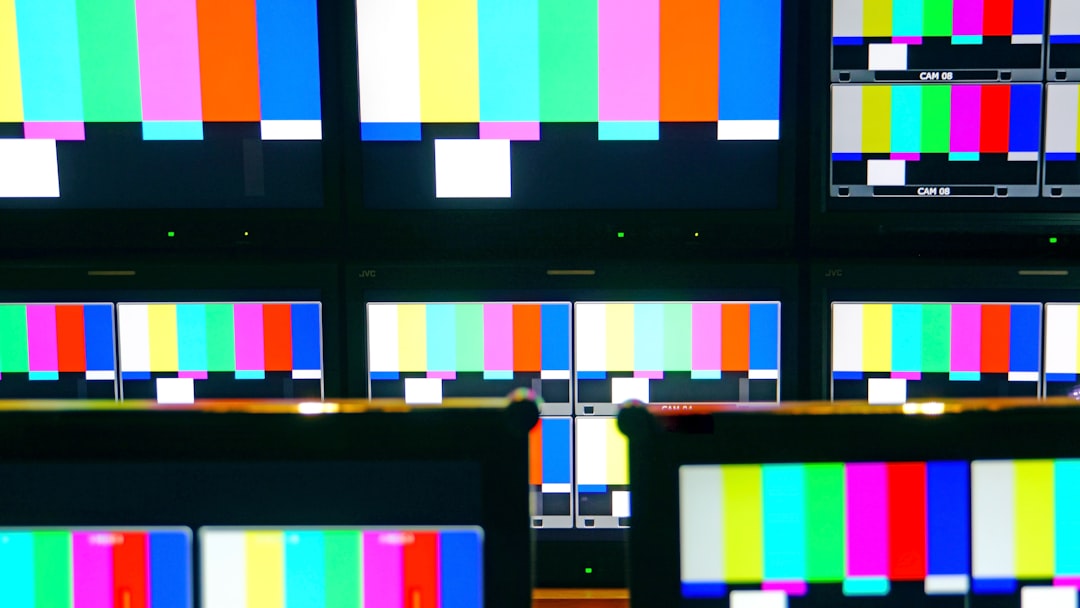
For many households in Belgium, television has become less about fixed schedules and more about flexibility, choice, and ease of use. That is where IPTV stands out. Instead of relying only on traditional cable or satellite setups, viewers can stream live channels, access on-demand content, and enjoy a more adaptable viewing experience across multiple devices. Whether we are watching news in the morning, a match in the evening, or a film on the weekend, IPTV offers a practical way to keep entertainment simple and accessible. In a fast-moving world, that convenience matters more than ever.
Why IPTV Fits Modern Viewing Habits in Belgium
IPTV, or Internet Protocol Television, delivers television content through an internet connection rather than conventional broadcast methods. For everyday viewing, this creates a more efficient and flexible experience. In Belgium, where viewers often switch between French, Dutch, German, and international content, IPTV can make it easier to find programming that matches different languages and interests.
What makes IPTV especially appealing is the way it aligns with modern routines. We no longer need to wait for a specific broadcast time to enjoy our favorite content. Instead, we can choose live channels, catch-up services, and on-demand libraries that fit our schedule. This level of control is one of the main reasons IPTV has become such a strong option for Belgian households.
Another advantage is accessibility. With IPTV, viewing can happen on a Smart TV, laptop, tablet, smartphone, or compatible streaming device. That means entertainment is no longer tied to one room in the home. Families can watch different programs in different spaces, and individuals can continue a show wherever they are, as long as the connection is stable.
Key Benefits That Make IPTV Convenient Every Day
The convenience of IPTV comes from a combination of features that simplify daily viewing. For many users, it is not just about having more channels; it is about having a smoother, more adaptable experience.
- Flexible viewing: Watch live television, replay programs, or browse on-demand content whenever it suits us.
- Multi-device access: Switch between TV, phone, tablet, and computer without being locked into one setup.
- Broader content options: Enjoy local, regional, and international channels in one place.
- Simple daily use: A clean interface and easy navigation can make it quicker to find what we want.
- Travel-friendly entertainment: IPTV can be especially useful for people who want consistent access while moving between home, work, or travel.
These benefits are particularly valuable in everyday life, where time is limited and convenience is essential. For example, parents may want kids’ content ready after school, while sports fans may want instant access to live matches without the need to manage complex hardware. The best IPTV experiences reduce friction and make entertainment feel effortless.
For viewers comparing options, it is also important to look at reliability and support. A quality service should deliver stable streams, organized channel lists, and responsive customer assistance. If we are searching for a trustworthy abo IPTV, the goal should be to find a solution that balances content variety with day-to-day ease of use.
How to Choose the Right IPTV Option for Your Home
Not every IPTV service offers the same level of quality, so choosing the right one makes a big difference. A good service should feel intuitive from the moment we start using it. That means clear menus, strong streaming performance, and enough content variety to satisfy different viewing habits in the household.
When evaluating IPTV in Belgium, we should pay attention to a few practical points. First, the internet connection must be fast and stable enough to support streaming, especially if multiple people are watching at the same time. Second, device compatibility matters. Some services work best on Smart TVs and Android boxes, while others are easier to use on mobile devices or computers. Third, customer support can make a major difference when technical questions arise.
It is also wise to think about content organization. A well-designed IPTV platform should make it easy to find favorite channels, categories, and on-demand titles without wasting time. The more straightforward the experience, the more likely it is that the service becomes part of our daily routine rather than a source of frustration.
What to look for before subscribing
- Stable streaming quality: Smooth playback is essential for live sports, news, and family entertainment.
- Clear channel selection: A strong lineup should include relevant local and international content.
- Easy setup: The service should be simple to install and manage.
- Device support: Compatibility across major platforms adds real convenience.
- Helpful support: Reliable assistance can save time and reduce stress.
Making IPTV Part of a Better Everyday Routine
Once IPTV is set up properly, it can become a natural part of everyday life. Morning news, after-work entertainment, weekend films, and live sports can all be accessed from one platform. That consistency is what makes IPTV so attractive: it reduces the need to juggle multiple services and makes viewing more efficient for busy households.
IPTV can also support different viewing preferences within the same home. One person may prefer international news, another may follow football, and someone else may want children’s programming or series on demand. Rather than forcing everyone into one schedule, IPTV gives each viewer more freedom to watch what they want, when they want.
For Belgian viewers, this flexibility is especially useful because content preferences are often diverse. A strong IPTV service can bring together local channels, regional language options, and global entertainment in one place. That combination helps make television feel more personal and more practical at the same time.
Ultimately, the real value of IPTV is not just in the technology itself. It is in the simplicity it brings to everyday viewing. We get faster access, more choice, and a viewing experience that fits modern life much better than traditional systems often do.
In Belgium, where convenience, multilingual content, and device flexibility all matter, IPTV is a smart option for households that want more control over their entertainment. When we choose a reliable service and set it up with care, IPTV can make everyday viewing smoother, easier, and far more enjoyable.

by wpadmin | May 26, 2026 | Technology
Over the past two decades, television has undergone one of the most significant transformations in media history. In France, this change has been especially visible through the rise of IPTV, or Internet Protocol Television. Instead of relying solely on traditional terrestrial, satellite, or cable broadcasting, IPTV delivers television content through internet networks, creating a more flexible and personalised viewing experience. As digital habits have matured and broadband access has improved across the country, IPTV has moved from being a technical alternative to becoming a mainstream part of how French households consume entertainment, news, and sport.
From Traditional Broadcasting to Internet-Based Viewing
To understand the evolution of IPTV in France, it is useful to look at the limitations of older television models. Traditional broadcasting worked on fixed schedules and gave viewers little control over how and when they watched content. While cable and satellite introduced more channels, they still followed a largely one-directional logic: broadcasters decided the timetable, and audiences adapted to it.
IPTV changed that model by using broadband internet to transmit live channels, on-demand programmes, and interactive features. This shift brought television closer to the wider digital ecosystem. Viewers were no longer tied to a single screen in the living room or restricted by rigid programme grids. They could watch content on smart TVs, tablets, smartphones, and computers, often with the ability to pause, replay, or switch instantly between live and recorded programming.
In France, the spread of high-speed internet and fibre infrastructure played a major role in this transition. Telecom operators and digital service providers recognised early that consumers wanted more convenience, more choice, and better integration between television and internet services. As a result, IPTV gradually developed from a niche technology into a central component of modern home entertainment.
Why IPTV Has Gained Strong Momentum in France
France has been particularly well positioned to adopt IPTV because of its strong digital infrastructure and tech-aware consumer base. Households increasingly expect seamless access to content, and IPTV responds directly to that demand. It offers a practical combination of live television, catch-up services, video on demand, and multi-device viewing within a single ecosystem.
Another reason for its growth is the diversity of content available. French audiences are not only interested in domestic channels; they also value access to international programming, premium sports, films, documentaries, and multilingual entertainment. IPTV supports this broader appetite by offering richer catalogues and more flexible subscription models than many legacy services. This has made the market more dynamic and more responsive to viewer preferences.
Consumers also appreciate the ease of discovery and usability. Modern IPTV interfaces often include search tools, personalised recommendations, and organised content libraries that make navigation simpler than traditional channel surfing. For viewers looking for reliable and modern digital TV options, services such as IPTV Premium France reflect how the French market has evolved toward convenience, variety, and user-focused design.
The Positive Impact of IPTV on Viewers and the Media Landscape
The most obvious positive impact of IPTV in France is improved viewer control. Audiences can build a television experience around their own schedules rather than around broadcaster timetables. This flexibility is especially valuable for working families, students, and people with fast-changing daily routines. It allows television to fit into modern life instead of competing with it.
IPTV has also expanded content accessibility. People can explore niche genres, regional programming, international channels, and specialised sports coverage more easily than before. This broader access supports cultural openness and helps viewers find content that better matches their interests. In a diverse country like France, where audience tastes vary widely, this is a meaningful advantage.
There is also a positive economic and competitive effect. IPTV has encouraged innovation among providers, who must now compete not only on channel counts but also on interface quality, streaming stability, customer support, and value-added features. That competition tends to benefit end users through better service standards and more attractive offers.
For content producers and distributors, IPTV opens new opportunities as well. It creates additional routes to market, makes audience measurement more precise, and enables more targeted content strategies. Broadcasters can learn more about viewing habits, refine their programming decisions, and develop packages that respond to actual demand. This data-driven approach can strengthen both local production and content distribution within the French media sector.
- Greater flexibility: viewers can watch live or on demand, across multiple devices.
- Wider choice: IPTV often gives access to more diverse national and international content.
- Better user experience: search, replay, and personalised recommendations improve discovery.
- Stronger competition: providers are pushed to innovate and improve quality.
The Future of IPTV in France
Looking ahead, IPTV is likely to become even more deeply integrated into everyday media consumption in France. As fibre coverage expands and streaming technology continues to improve, viewers can expect more stable performance, higher image quality, and richer interactive features. The line between television, streaming platforms, and digital media services will continue to blur.
Artificial intelligence and smarter recommendation systems may make IPTV services even more intuitive, helping users discover relevant content faster. At the same time, improvements in cloud infrastructure and device compatibility will likely make access more seamless across households. French consumers increasingly value simplicity, and the future of IPTV will depend on delivering that simplicity without sacrificing quality or variety.
There is also potential for IPTV to strengthen content localisation. Regional channels, French-language programming, and culturally specific content can be presented more effectively within digital platforms, helping preserve media diversity while still serving global interests. In this sense, IPTV is not just a technology trend; it is becoming part of the broader evolution of French cultural consumption.
In conclusion, the evolution of IPTV has had a clearly positive impact in France. It has modernised television, expanded viewer choice, increased flexibility, and encouraged higher standards across the media market. As internet infrastructure and consumer expectations continue to evolve, IPTV is set to play an even more important role in shaping how France watches, discovers, and values audiovisual content.

by wpadmin | May 26, 2026 | sticky
Television in Switzerland has changed rapidly as viewers expect more control over what they watch, when they watch it, and which device they use. Traditional broadcasting still has its place, but internet-based television has become a practical and appealing choice for households that want convenience without sacrificing channel variety or picture quality. IPTV in Switzerland stands out because it matches the country’s modern digital habits, multilingual culture, and demand for high-performance home entertainment. Whether families want live sports, international channels, films on demand, or content that moves seamlessly from the living room TV to a smartphone, IPTV offers a flexible way to meet those expectations.
Why IPTV Fits Modern Viewing in Switzerland
Switzerland is uniquely suited to IPTV adoption. The country benefits from strong internet infrastructure, high device usage, and audiences that often want access to content in multiple languages. In one household, viewers may switch between French, German, Italian, and English programming, while also expecting fast access to global entertainment. IPTV supports this behavior by delivering television over the internet rather than relying only on conventional cable or satellite formats.
This matters because modern viewers rarely follow rigid schedules. They want the freedom to pause live TV, replay key moments, watch catch-up content after work, or start a film on one screen and continue it on another. IPTV answers these needs with a user-friendly, on-demand approach. Instead of being limited to fixed programming times, users can build their own routines around the content they actually enjoy.
For Swiss households, flexibility is often just as important as selection. A family may want children’s programming in the afternoon, live news in the evening, and sports late at night, all without changing providers or devices. IPTV makes that possible through one connected service, creating a more streamlined entertainment experience.
The Biggest Benefits of IPTV on Every Screen
One of the strongest advantages of IPTV is device compatibility. Today’s viewers no longer depend on a single television set in the home. Content is consumed on smart TVs, tablets, laptops, smartphones, and streaming boxes, often by different family members at the same time. IPTV is designed for this reality, allowing entertainment to follow the user rather than remain tied to one room.
That flexibility delivers clear everyday benefits:
- Watch anywhere at home or on the go: Users can move from the main TV to a mobile device without losing access to their favourite channels and programmes.
- Personalised viewing: Many IPTV services offer recommendations, favourites lists, and easy navigation that make content discovery faster.
- Live TV and on-demand in one place: Sports, news, films, series, and documentaries can sit within the same interface.
- Efficient use of time: Features such as catch-up TV, pause, rewind, and replay help viewers fit entertainment around work, school, and travel.
Another key strength is variety. IPTV platforms can offer local Swiss channels alongside premium international content, which is especially valuable in a country with diverse cultural interests. This broad content range makes IPTV appealing not only to individual viewers but also to families with different tastes. When each person can find something relevant without switching between multiple services, the value of the platform increases considerably.
What Swiss Viewers Should Look for in an IPTV Service
Not all IPTV services are equal, so choosing the right provider is essential for a smooth experience. Swiss viewers should focus first on reliability. Stable streaming, fast channel loading, and consistent image quality are crucial, especially for live sports, breaking news, and major events. A service that buffers frequently or lacks technical consistency will quickly undermine the convenience IPTV is meant to provide.
Channel selection is another major factor. The best services combine local relevance with international breadth, offering Swiss programming together with global entertainment, sports, and specialist channels. It is also worth checking for video-on-demand libraries, replay functions, and support for multiple devices under one account.
User experience should not be overlooked. A clean interface, clear categories, and responsive search tools make a significant difference in daily use. For viewers exploring options such as IPTV Suisse, it makes sense to evaluate how well the service aligns with Swiss audience expectations, including language options, content diversity, and cross-device performance.
When comparing providers, viewers may want to prioritise:
- Streaming stability for uninterrupted viewing.
- A wide channel lineup that includes local and international content.
- Multi-screen compatibility across TVs, phones, tablets, and computers.
- Replay and on-demand features for maximum flexibility.
- Responsive customer support in case setup or performance issues arise.
By focusing on these elements, users can move beyond marketing promises and choose a service that genuinely improves their entertainment setup.
The Future of IPTV in Switzerland
The future of IPTV in Switzerland looks strong because consumer expectations continue to move toward convenience, choice, and personal control. As internet connections become faster and home devices become smarter, IPTV is likely to become an even more natural part of everyday media consumption. Viewers increasingly want seamless access to content rather than complicated packages or hardware-heavy setups.
We can also expect IPTV platforms to become more intelligent. Improved recommendations, smarter content organisation, and better integration with apps and smart home ecosystems will make services easier to use. For many households, television is no longer a passive activity; it is an interactive digital experience that should respond to personal habits and preferences.
In Switzerland, this evolution is especially important because audiences are both tech-aware and diverse in their content needs. IPTV supports that diversity by offering a more adaptable model than traditional TV systems. It meets people where they are: on multiple screens, across different languages, and with varying entertainment priorities.
IPTV in Switzerland is more than a trend; it reflects a broader shift in how people want to experience television. With flexible access, broad channel variety, and support for every screen, IPTV gives viewers more freedom without compromising quality. For households that value convenience, personalisation, and rich content choice, it has become one of the most practical ways to enjoy modern entertainment.

by wpadmin | Mar 23, 2026 | Featured, Healthcare
For many smokers, quitting is not simply a matter of willpower. It is a process of changing routines, reducing nicotine dependence, and finding a replacement that feels realistic in everyday life. Reusable vapes have become one of the most practical modern options for adults who want to move away from cigarettes without giving up the familiar hand-to-mouth action and nicotine control they are used to. Unlike single-use alternatives, reusable devices are designed for long-term use, making them more cost-effective, adaptable, and reliable. When used responsibly as part of a clear stop-smoking strategy, they can offer a straightforward path toward leaving tobacco behind.
Why Reusable Vapes Appeal to Adult Smokers
Reusable vapes are popular because they combine convenience with flexibility. A smoker switching to vaping often needs a device that is easy to carry, simple to maintain, and capable of delivering a consistent experience. Reusable kits are built for this purpose. They can be recharged, refilled or fitted with replacement pods, and used over an extended period instead of being discarded after a short time.
That practicality matters. Smoking habits are often tied to routine, stress, social situations, and nicotine cravings. A reusable vape can help bridge that gap by offering a familiar ritual without combustion, ash, or lingering smoke smell. For adults trying to quit smoking, that can make the transition feel less disruptive and more manageable.
There is also the matter of personalisation. Reusable devices allow users to choose nicotine strengths and flavour profiles that suit their stage of quitting. Some start with a nicotine level that matches their cigarette intake, then gradually reduce it over time. Others prefer a pod system for simplicity and portability. Those exploring compact pod options often compare products such as hayati pro max pods when looking for a practical vaping format that supports an easier switch from cigarettes.
In short, reusable vapes appeal because they fit into modern life. They are portable, less wasteful than disposable options, and better suited to people who want control over how they reduce their dependence on tobacco.
How Reusable Vapes Can Support a Smoking Cessation Journey
The main reason many stop-smoking experts discuss vaping is simple: cigarettes are harmful because tobacco is burned and inhaled. Reusable vapes do not involve combustion, which removes tar and many of the toxic by-products associated with smoking. While vaping is not risk-free and is intended for adult smokers rather than non-smokers, it is widely seen as a less harmful alternative to continuing to smoke cigarettes.
That difference can be significant for smokers who have struggled with other quitting methods. Patches, gum, and lozenges can help with nicotine withdrawal, but they do not always address the behavioural side of smoking. Reusable vapes can do both. They provide nicotine in a way that feels more immediate while also replacing the physical habit of holding, inhaling, and exhaling.
For many smokers, this combination reduces the shock of quitting. Instead of stopping both nicotine and routine at once, they can focus first on moving away from tobacco. Once that step is stable, they can work on reducing nicotine levels gradually.
Common benefits that make reusable vapes useful for quitting include:
- Nicotine control through different strengths and formulations
- Lower long-term cost compared with buying cigarettes daily
- Less odour on clothes, hands, and inside the home
- Fewer interruptions thanks to rechargeable batteries and refillable or replaceable pods
- Greater consistency than many short-lived single-use devices
These benefits do not guarantee success, but they can remove some of the barriers that make quitting feel overwhelming. A reusable vape works best when it is viewed as a tool, not a trend. The aim is not to replace one habit without thought, but to create a more controlled route away from smoking.
Choosing the Right Device and Using It Well
Not every reusable vape is ideal for every smoker. Someone who smokes heavily may need a device that delivers nicotine more efficiently, while a lighter smoker may be comfortable with a simpler setup. Ease of use is especially important in the early stages. If a device leaks, has poor battery life, or feels complicated, it may push the user back toward cigarettes.
Pod systems are often the most approachable choice for beginners because they are compact and require little maintenance. More advanced refillable kits can offer greater flexibility and lower running costs, but they may involve extra setup. The right choice depends on how much simplicity, customisation, and performance the individual wants.
It also helps to approach vaping with realistic expectations. The first device may not be perfect. The preferred flavour may change. Nicotine strength may need adjustment. That is normal. Quitting smoking is rarely a single-step event, and success often comes from making steady improvements rather than expecting instant perfection.
When selecting a reusable vape, it helps to consider:
- Battery life for all-day reliability
- Pod or tank capacity to avoid constant refilling
- Nicotine strength options that match current smoking habits
- Build quality for regular daily use
- Ease of maintenance so the device remains simple and dependable
Using the device consistently is also important. Many smokers relapse because they underestimate how often cravings appear. Keeping the device charged, carrying a spare pod or e-liquid if needed, and using it before cravings become intense can make the switch far smoother.
Turning a Reusable Vape into a Real Quit Plan
A reusable vape is most effective when it is part of a broader strategy. That means setting a clear goal: to stop smoking completely, not to continue using both products indefinitely. Dual use can happen during the transition, but the long-term objective should be moving fully away from cigarettes.
One helpful approach is to identify smoking triggers and plan for them. Morning coffee, work breaks, driving, and stress are common examples. If these situations are anticipated, the vape can be used as a substitute rather than as an afterthought. Over time, the brain begins to detach those moments from cigarettes.
Support also matters. Some people benefit from stop-smoking services, while others rely on accountability from family or friends. Tracking progress can be surprisingly motivating as well. Fewer cigarettes per day, more smoke-free days, and gradual nicotine reduction all show that real change is happening.
It is also wise to review progress regularly. If cravings remain strong, nicotine strength may need adjusting. If vaping feels too frequent, a more structured reduction plan may help. The key is to stay intentional. Reusable vapes work best when they support a planned move away from tobacco, not when they are used without direction.
Reusable vapes have earned their place in modern smoking cessation because they offer something many smokers need: a practical alternative that addresses both nicotine cravings and daily habit. They are convenient, adaptable, and often more economical over time than continuing to smoke. While they are not meant for non-smokers and should always be used responsibly, they can be a highly effective tool for adults seeking a realistic way to quit cigarettes. With the right device, the right nicotine strength, and a clear plan, reusable vapes can help turn the goal of quitting smoking into a sustainable and achievable reality.