When a flood recedes or a storm passes, attention goes first to people: rescue, medical help, shelter. Very quickly, though, relief work turns into a logistics problem. Supplies need somewhere dry and secure to wait, teams need places to work, and streets fill with damaged furniture and broken building material. Rented containers quietly solve many of these problems, and their role changes as the response moves from emergency to recovery.
The first days: storage and shelter
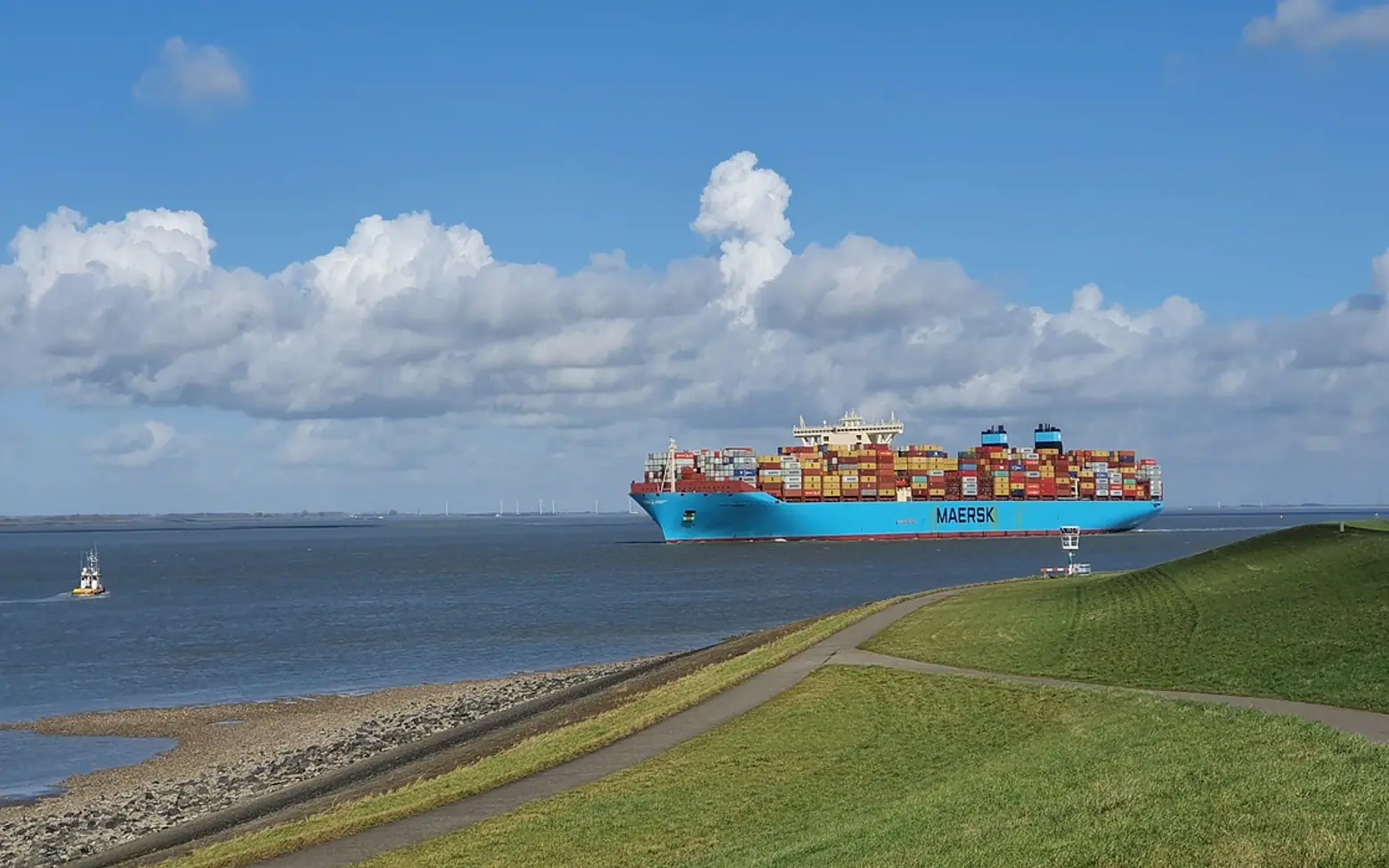
Steel containers are built to travel by lorry, train and ship, so they can be moved towards an affected region quickly once roads are passable. On arrival, they become lockable storerooms for bottled water, food, blankets, tools and medical supplies. Their sturdy shell keeps contents dry in rain and wind and makes theft harder at a time when resources are precious.
Fitted-out units can also serve as site offices, first-aid points or temporary sleeping quarters for volunteers. Because they arrive ready to use, relief organisations do not have to wait for a building to be repaired or constructed before setting up operations.
The following weeks: clearing up
Clean-up generates enormous amounts of waste: soaked plaster, mud-filled flooring, broken bricks, ruined furniture. Without a plan, it piles up on pavements and slows everything else down. Skip and roll-off containers give each street or building a defined place for debris, and separating materials such as rubble, wood and metal at this stage makes later disposal and recycling much easier.
Local hire firms are central to this phase. In German cities, services such as bauschutt container Frankfurt show how ordinary rubble containers, normally used for renovation projects, become everyday tools when neighbourhoods need to clear damaged buildings safely and keep access routes open for emergency vehicles.
Why renting often beats buying
- Speed. Hire companies already hold stock and transport, so units can arrive without a purchasing process.
- Scalability. Numbers can grow as needs become clear, and shrink again when work winds down.
- Budget control. Relief organisations pay for the period they need rather than tying up funds in equipment that may sit idle for years.
- Collection included. For debris containers, the hire firm usually handles removal and disposal at licensed facilities.
The months after: rebuilding
Recovery takes far longer than the headlines suggest. As reconstruction begins, containers shift role again. Builders use them to store materials and tools on site, local businesses can trade from converted units while their premises are repaired, and community groups set up temporary meeting points or distribution centres. A container that held emergency water in the first week may store roof tiles in the third month.
Planning ahead
Municipalities and aid groups that agree arrangements with hire firms before a crisis are better placed when one arrives. Useful steps include:
- listing local suppliers and the types of container they can provide
- identifying flat, accessible sites where units can be placed
- agreeing how waste will be sorted and where it will go
- keeping contact details and responsibilities up to date
None of this is glamorous work, but it is the kind of preparation that helps communities get back on their feet sooner.
Across the sections
Don’t miss these



Something to add?
We read every message.