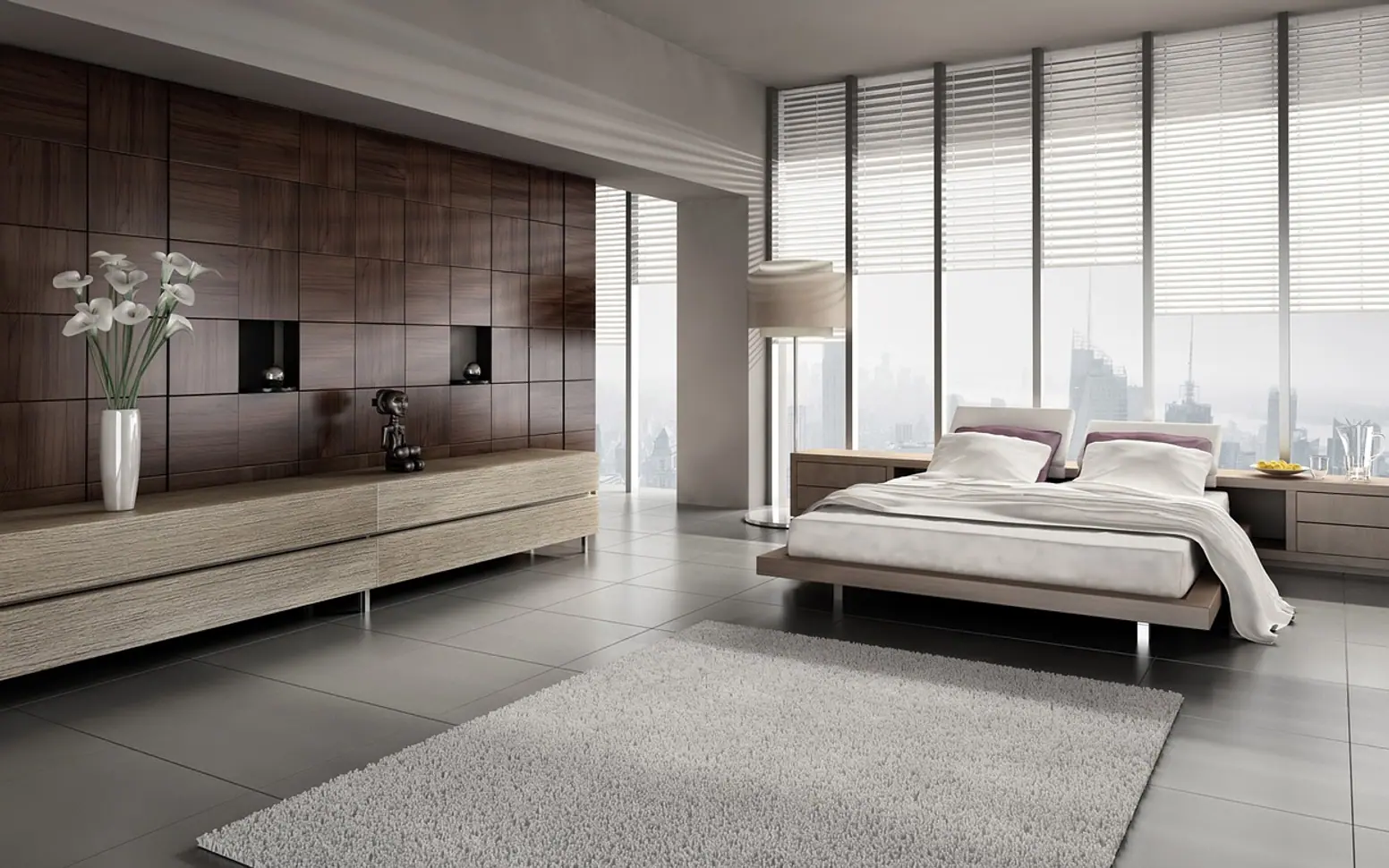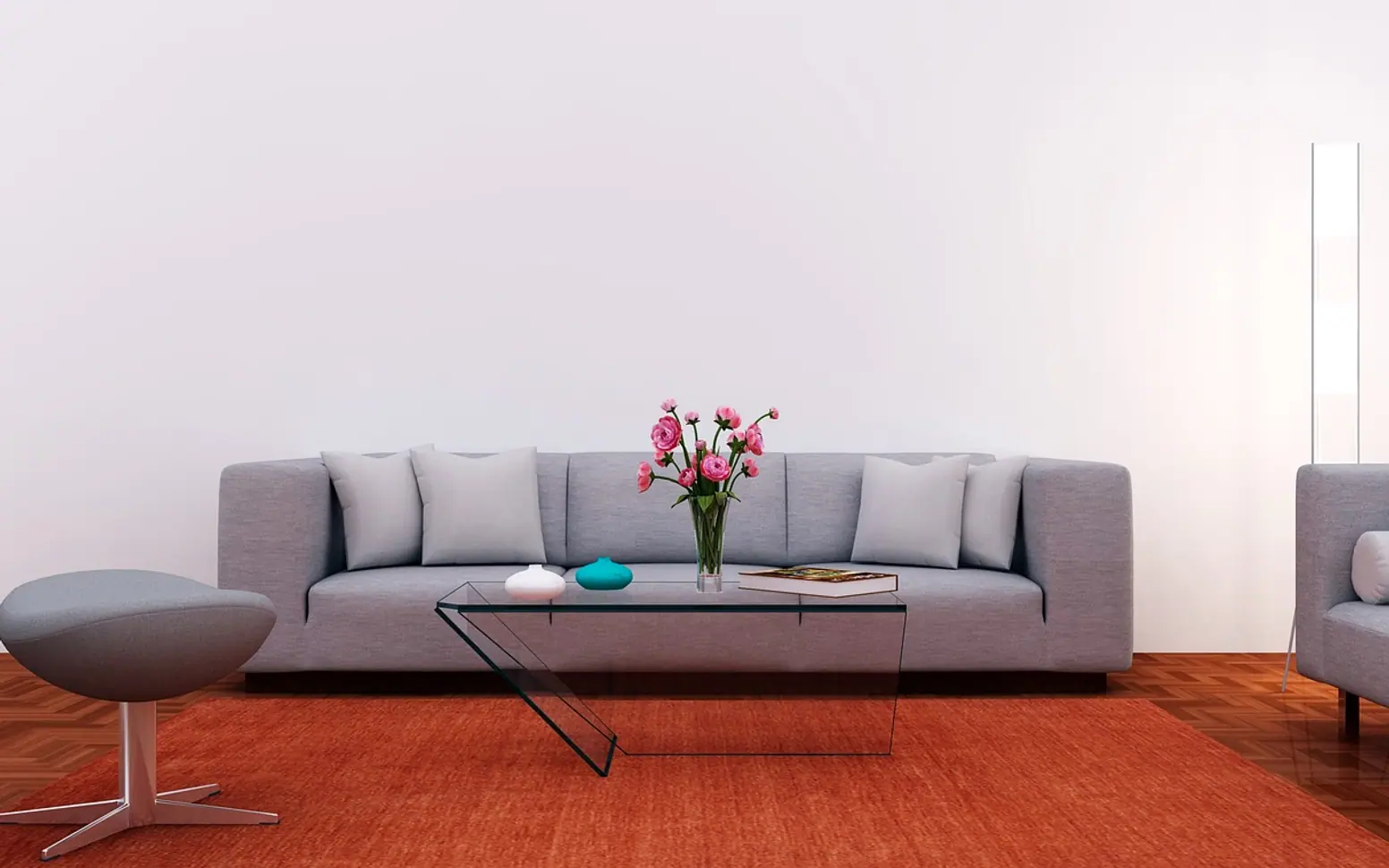
Warm white light has a soft, slightly amber glow, roughly 2700 to 3000 kelvin, and suits living rooms, bedrooms and anywhere you want to unwind. Cool white, from around 3500 to 4500 kelvin depending on the maker, looks crisper and more neutral, which helps in kitchens, bathrooms and workspaces. Daylight bulbs, about 5000 to 6500 kelvin, are whiter and bluer still. The right choice is less about which is "best" and more about matching each room to what happens in it.
What colour temperature means
Colour temperature describes how warm or cool a white light looks, measured on the kelvin (K) scale. Lower numbers appear amber, like candlelight or an old filament bulb; higher numbers look whiter and then faintly blue, like an overcast midday sky. It has nothing to do with how hot the bulb gets. The figure is usually printed on the packaging and often on the bulb itself.
Brightness is a separate measure, given in lumens. A warm white bulb can be very bright and a daylight bulb can be dim. Many disappointing purchases come from mixing up the two.
The main options compared
| Label | Approximate range | Look and feel | Typical rooms |
|---|---|---|---|
| Extra warm / candle | 2200–2500K | Deep amber, intimate | Accent lamps, evening dining |
| Warm white / soft white | 2700–3000K | Cosy, flattering, relaxed | Living rooms, bedrooms, hallways |
| Neutral / cool white | 3500–4500K | Clean, crisp, alert | Kitchens, bathrooms, home offices, garages |
| Daylight | 5000–6500K | Bright and bluish, stark up close | Workshops, craft tables, detailed task lighting |
Soft white vs daylight: why the names confuse
Packaging terms are not fully standardised. "Soft white" usually sits in the same warm range as "warm white", while "bright white" can mean a neutral or cool tone. "Daylight" sounds natural, but indoors it can feel harsh, particularly in the evening. The dependable approach is to ignore the marketing name and read the kelvin figure.
Room-by-room guide
Living room
Warm white is the usual choice for lamps and ceiling fittings. A slightly cooler task lamp can help for reading or hobbies, but keep the main layers consistent. Our living room lighting ideas show how ambient, task and accent layers work together.
Bedroom
Warm or extra warm suits a restful evening. Bedside lamps on dimmers do more for the room than a powerful overhead light, and crisp, bluish light late at night tends to feel harsh.
Kitchen
Neutral or cool white under cabinets and over worktops makes chopping and cleaning easier and shows food colours more accurately. A warmer pendant over the table or island softens the space at mealtimes.
Bathroom
Neutral white around the mirror gives a truer view for shaving or make-up, with warmer light elsewhere if the room doubles as a place to relax. Tile colour changes the result too, since cool light on grey tiles can feel chilly; if a refit is planned, read our guide to choosing bathroom tiles alongside this one.
Home office
Cool white helps many people feel alert during working hours. A warm lamp for after-hours stops the room feeling like an office once the laptop is closed.
Mixing colour temperatures
Different whites in the same view often look patchy, with one fitting appearing yellow and the next bluish. Keep bulbs within a room in the same range, or at least within each layer. Recessed downlights show the problem most because they are seen in rows; for a smooth, even ceiling, fit matching bulbs throughout, as discussed in our piece on the aesthetic benefits of recessed lighting.
Tunable and smart bulbs
If you cannot decide, tunable white bulbs let you shift between warm and cool from an app, a remote or a wall control. Some follow a schedule, cooler in the morning and warmer at night. They cost more than standard bulbs but earn their keep in rooms with several roles, such as an open-plan kitchen and living area.
Other things to check on the box
- Lumens for brightness, rather than watts.
- CRI (colour rendering index), which indicates how naturally colours appear; a higher figure generally looks truer to life.
- Dimmable labelling, if the fitting is on a dimmer switch.
- Cap type and size, so the bulb actually fits the lamp.
Quick answers
Is warm white or cool white better for the eyes?
Neither is harmful in normal use. Comfort depends more on adequate brightness, avoiding glare and matching light to the task. Persistent eye strain is a good reason to book an eye test.
Which colour suits a bedroom best?
Warm white, ideally on a dimmer, is the common choice for a calm evening atmosphere.
Can I mix warm and cool bulbs in an open-plan room?
Yes, if each zone is consistent: cooler over the kitchen worktops, warmer in the seating area, with a clear break between them.
Across the sections
Don’t miss these




Something to add?
We read every message.
Your bulb, room by room
Choose the room and what you mostly do there in the evening or the day. You get the kelvin range to look for, using the ranges from the table above, plus what else to read on the box.
Also on the box
Packaging names are not standardised, so trust the kelvin figure over words like "soft" or "bright". Keep the bulbs in one room, or at least in one layer, in the same range.