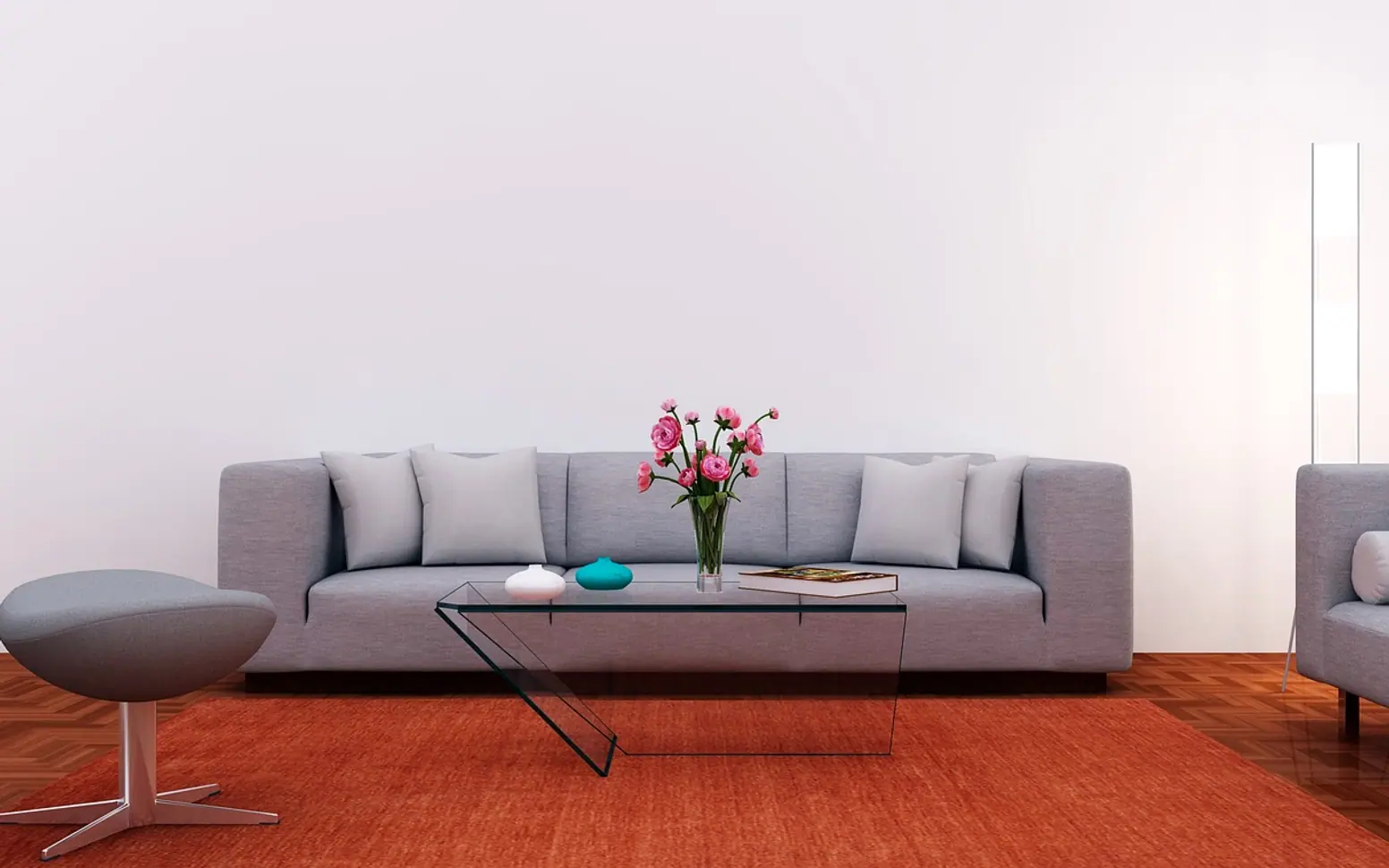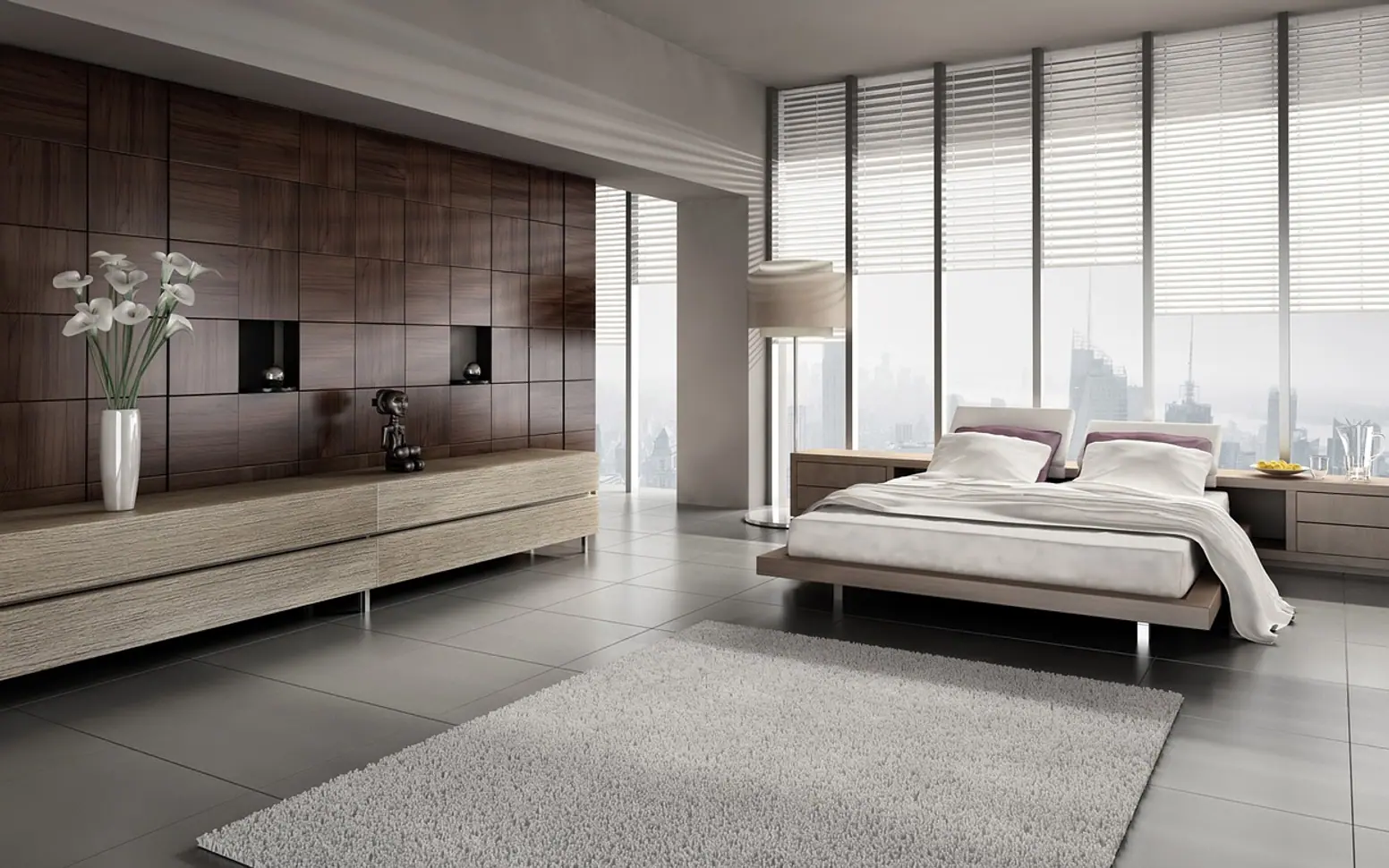
Sleep tourism means travelling with rest as the main goal. Instead of filling a trip with sightseeing, guests choose places and rooms designed to help them sleep well: quiet surroundings, good beds, dark curtains and routines that wind the day down rather than pack it full.
Hotels, retreats and rural guesthouses have noticed the interest and now promote everything from pillow menus to evening programmes built around rest. Some of it is genuinely useful and some is decoration. Knowing the difference makes it easier to plan a sleep vacation that leaves you rested rather than simply relieved to be home.
Why the idea caught on
Plenty of people return from a holiday more tired than when they left. Early flights, late dinners, crowded itineraries and unfamiliar beds take their toll. At the same time, daily life has grown noisier and more screen-heavy, and switching off at night feels harder for many. A trip that deliberately protects sleep answers both frustrations. It also fits a wider shift toward slower travel, where the quality of time away matters more than the number of places visited.
What a sleep-focused stay can include
- A room built for darkness and quiet: blackout curtains, decent sound insulation, no blinking standby lights and a position away from lifts and busy corridors.
- Bedding choices: pillows of different firmness, breathable cotton or linen sheets and a duvet suited to the climate.
- Temperature guests can control, since most people find a slightly cool room more comfortable for sleeping.
- Evening rituals: herbal tea, a warm bath, gentle stretching or a quiet walk instead of loud bars and late entertainment.
- Daylight and movement: morning walks, swimming or time outdoors, which help the body keep a steady rhythm.
- Fewer screens: some stays provide phone boxes or encourage devices off after a set hour.
Sleep holiday vs other restful trips
| Type of trip | Main focus | Typical day |
|---|---|---|
| Sleep-focused stay | Rest and routine | Unhurried morning, time outdoors, an early and quiet evening |
| Wellness retreat | Broader health habits | Classes, treatments, fixed meal times |
| Beach or pool holiday | Leisure and sun | Relaxed days, but often heat and late nights |
| Staycation | Low cost, no travel | Easy to slide back into everyday habits |
How to plan your own sleep vacation
- Stay close to home. Crossing several time zones works against the whole idea. If you do travel far, allow a few days to adjust; our guide on how to beat jet lag covers the basics.
- Ask about the room before booking. Request a quiet room on a higher floor, away from the street and the lift. Check whether the curtains block light fully and whether heating or cooling can be adjusted in the room itself.
- Plan less. Choose one or two activities a day and leave the rest open.
- Bring what helps at home. An eye mask, earplugs, a familiar pillowcase or the book you read before bed make a strange room feel less strange.
- Move during the day. A walk, a swim or a gentle session such as our no-equipment hotel room workout can help you feel ready for bed at a sensible hour.
- Keep late caffeine, heavy meals and alcohol in check. Holiday treats are part of the fun, but they sit better earlier in the evening.
What sleep tourism cannot fix
A restful trip can help you catch up and reset habits, but it is not a treatment. Ongoing trouble falling or staying asleep, loud snoring with pauses in breathing, or daytime drowsiness that affects driving or work are worth raising with a GP or another qualified health professional. A holiday is a pleasant break, not a substitute for that conversation. Be wary, too, of packages that promise medical-sounding results.
Bringing the habits home
The most useful souvenir from a sleep-focused trip is a routine. If a darker room, a cooler temperature and an evening without screens helped while away, they can usually be recreated with heavier curtains, a fan or an open window and a charging spot outside the bedroom. Warmer bulbs in the evening also make a room feel more restful; see warm white vs cool white light for how to choose them.
Quick answers
Is sleep tourism only for luxury hotels?
No. A countryside cottage, a cabin or a simple guesthouse in a calm town can work just as well as a premium package, as long as the room is dark, quiet and comfortable.
How long should a sleep trip be?
Even a long weekend can feel restorative. Longer stays give more time to settle into a routine, which is often where the real benefit lies.
Can you combine it with sightseeing?
Yes, as long as rest stays the priority. Plan outings for late morning or early afternoon and keep evenings for winding down.
Across the sections
Don’t miss these


Something to add?
We read every message.