What Is Slow Travel? Fewer Stops, Longer Stays and a Gentler Pace
- Sent
- Reading time
- 5 min
Picture the last morning of a whirlwind trip. The suitcase is half packed again, the train leaves at eight, and the café on the corner, the one you only discovered yesterday, will have to wait for another visit that probably never comes. Many travellers know that feeling of having seen a great deal and taken in very little. Slow travel is the answer some of them have settled on.
Put simply, slow travel means visiting fewer places and staying longer in each. Instead of moving every day or two, you pick one base, or a small number of them, and give yourself time to settle in. Getting from place to place is treated as part of the trip rather than wasted hours, and the aim is to get to know somewhere rather than tick it off.
Where the idea comes from
Slow travel grew out of the wider "slow" movement that began with food: cooking with care, eating local produce and refusing to rush meals. Applied to holidays, the same thinking favours depth over breadth. It has gained ground as more people work remotely for part of the year, as travellers think about the footprint of frequent short flights, and as many simply find that a packed itinerary leaves them needing a holiday after the holiday. It sits close to sleep tourism, which puts rest at the centre of a trip; our explainer on planning a trip around rest covers that side.
Slow travel compared with a classic tour
| Classic multi-stop tour | Slow travel | |
|---|---|---|
| Number of bases | Many, often one per night or two | One to three over the whole trip |
| Getting around | Fastest option, often flights | Trains, buses, ferries, walking and cycling where practical |
| Accommodation | Hotels near the sights | Apartments, guesthouses, farm stays or a hotel in a residential area |
| Daily plan | Fixed list of attractions | One or two plans, the rest left open |
| Food | Restaurants near the main sights | Markets, neighbourhood places and some cooking of your own |
| Main reward | Seeing many famous places | Feeling at home somewhere, however briefly |
One style does not beat the other for every trip. A first visit to a large country may justify moving around, and someone with five days of leave may not want to spend them all in one village. Slow travel is a set of preferences, not a rule.
How to plan a slow trip
- Choose a base, not a route. Look for a town or neighbourhood with daily life of its own: a market, a bakery, a park, a few places to eat that are not aimed only at visitors. Check what can be reached by public transport for day trips.
- Stay at least a week if you can. The first days go on finding your bearings. The routine that makes slow travel rewarding usually starts after that.
- Pick accommodation you can live in. A small kitchen, a table to sit at and somewhere to dry washing matter more on a long stay than a lobby or a view of a landmark.
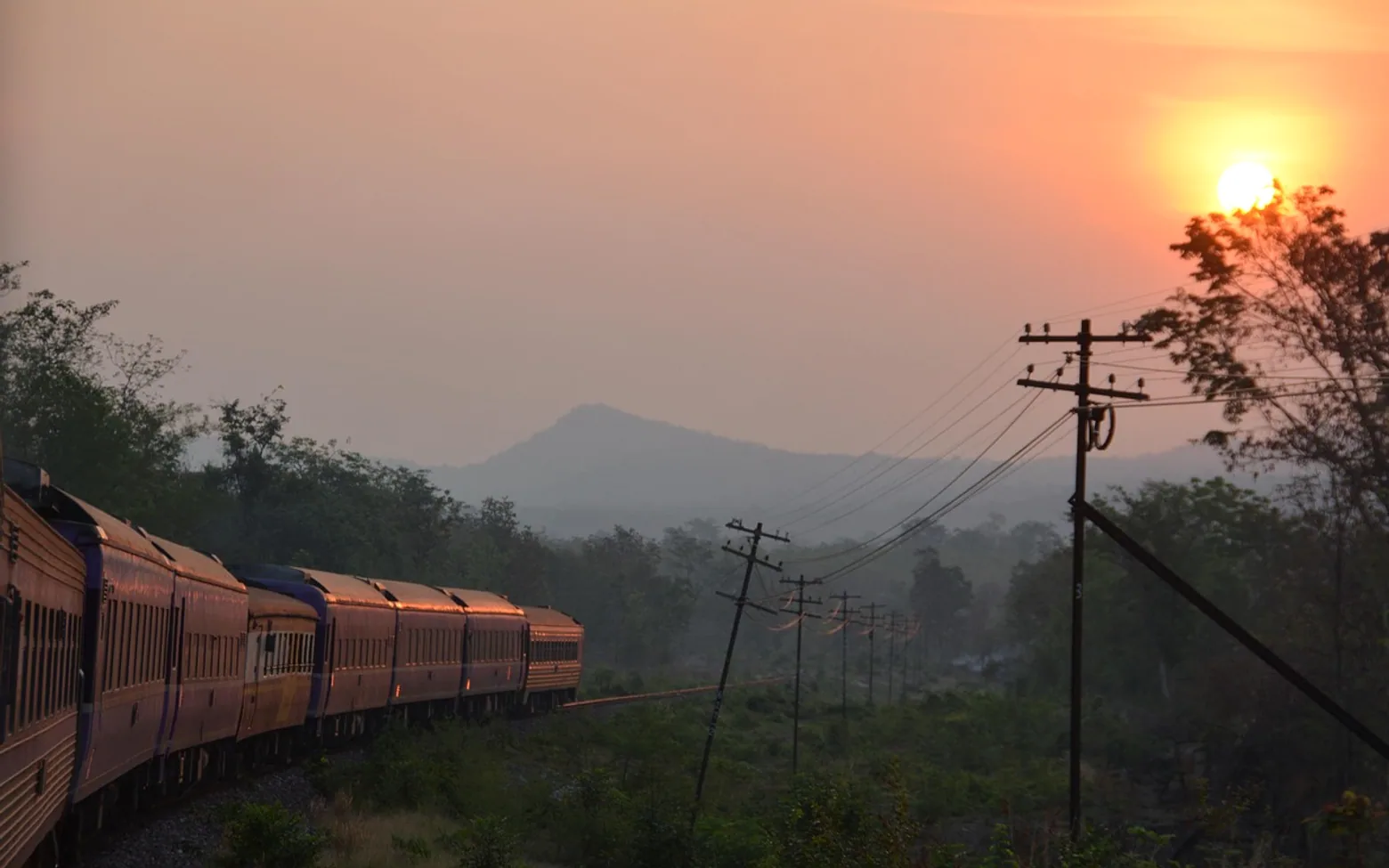
- Travel overland where it makes sense. A long train ride through changing countryside can be one of the best days of the trip. Where a flight is the only realistic choice, take fewer of them.
- Leave gaps in the calendar. Plan one anchor per day, such as a museum, a hike or a cooking class, and let the rest fill itself.
- Pack lighter. Laundry facilities replace the extra outfits, and fewer moves mean less hauling of heavy bags.
Living like a temporary local
The pleasure of a longer stay comes from small repetitions. The same baker starts to recognise you. You learn which bus is quicker and which bench catches the evening sun. A few habits help this along:
- Learn a handful of phrases in the local language and use them, however clumsily.
- Shop at the market and cook a few meals with what is in season.
- Go back to a place you liked instead of always chasing something new.
- Walk or cycle without a fixed destination now and then.
- Ask staff at your guesthouse where they would spend a free afternoon.
Eating out becomes more relaxed too, because there is no pressure to make every meal count. In a coastal town or a city known for fish, it is worth learning how to judge a sushi restaurant before you sit down, so the one splurge of the week is a good one.
Health and comfort on a longer stay
Staying in one place gives the body time to adjust, which is one of the quieter benefits of travelling slowly. Arriving after a long-haul flight and then not moving on straight away makes it easier to reset sleep; our notes on gentle habits for beating jet lag go into more detail.
A longer trip also raises practical questions that a weekend away does not: enough regular medication for the whole stay, how to find a pharmacy or clinic, and what to do on days when air quality or heat makes sightseeing unwise. The overview of looking after your health on a trip to Seoul shows what that kind of preparation looks like for one city. If you have a long-term condition, speak to your GP or pharmacist before a stay of several weeks abroad.
When slow travel is harder
The approach has limits worth being honest about. Long stays need more annual leave than many jobs offer, and working remotely from abroad can raise questions about visas, tax and employer rules that are worth checking with the right authority before you go. Overland routes can take longer and sometimes cost more than a budget flight. Families with school-age children are tied to term dates. And some destinations, such as remote islands or wildlife areas, are naturally visited on a tighter schedule.
Even then, the spirit can be borrowed. Two nights in each place instead of one, a single free day in the middle of a busy itinerary, or a train for one leg of the journey all slow a trip down without rebuilding it from scratch.
A short checklist before you book
- One or two bases chosen for everyday life, not only sights
- Accommodation with a kitchen or at least a fridge and a table
- Overland options checked for arrival and day trips
- Free days written into the plan on purpose
- Medication, insurance and documents sorted for the full length of the stay
Across the sections
Don’t miss these




Something to add?
We read every message.