Japandi Style: How to Bring Japanese-Scandinavian Calm Into Your Home
- Sent
- Reading time
- 4 min
Japandi style is a hybrid of Japanese and Scandinavian interior design: pared-back rooms, natural materials, low and simple furniture, and a soft, muted palette that leans warm. It takes the quiet discipline of a Japanese interior and pairs it with the cosiness Scandinavians build into long, dark winters. The result is a home that feels calm without feeling cold.
The look has become one of the most talked-about interior trends of recent years, partly because it suits how many people now live: more hours at home, smaller spaces and a wish for rooms that offer a break from screens and noise. Below is what defines it, how it differs from plain minimalism, and how to apply it room by room without replacing everything you own.
What is Japandi, exactly?
The word joins "Japan" and "Scandi". The two traditions share a respect for craft, a dislike of clutter and a love of natural light and timber. Where they differ is useful. Japanese interiors tend toward darker woods, low furniture and a sense that empty space is valuable in itself, while Scandinavian rooms favour pale timber, soft textiles and a homely brightness. Japandi borrows from both, so one room might hold a pale oak floor, a dark walnut side table and a wool throw on a low linen sofa.
Two ideas sit underneath the look. From Japan comes wabi-sabi, an appreciation of things that are imperfect, handmade and gently worn. From Denmark and Norway comes hygge, the pursuit of comfort and warmth in ordinary moments. Keep both in mind and most decisions become easier: if an object is honest, useful and pleasant to touch, it probably belongs.
The core ingredients
| Element | What it looks like | What to avoid |
|---|---|---|
| Palette | Warm whites, oatmeal, sand, clay and soft greys, with charcoal or black as accents | Bright primaries, high-gloss white |
| Wood | Oak, ash, walnut, bamboo; one light tone set against one dark | Orange varnish, heavy faux grain |
| Textiles | Linen, cotton, wool, jute, paper lampshades | Shiny synthetics, loud patterns |
| Furniture | Low, solid pieces with clean lines and softened edges | Ornate carving, bulky overstuffed seating |
| Decor | A few handmade ceramics, a branch in a vase, one or two plants | Shelves crowded with small objects |
Japandi vs minimalism vs Scandinavian design
All three value space, but they land differently. Strict minimalism can feel stark, with hard surfaces and very little texture. Classic Scandinavian rooms are lighter and often more playful, with brighter accents and more pattern. Japandi sits between them: as uncluttered as minimalism, as touchable as a Nordic cabin, and a shade darker and earthier than either. A simple test helps when a room is not working. If it feels clinical, add wood and texture; if it feels busy, take things away.
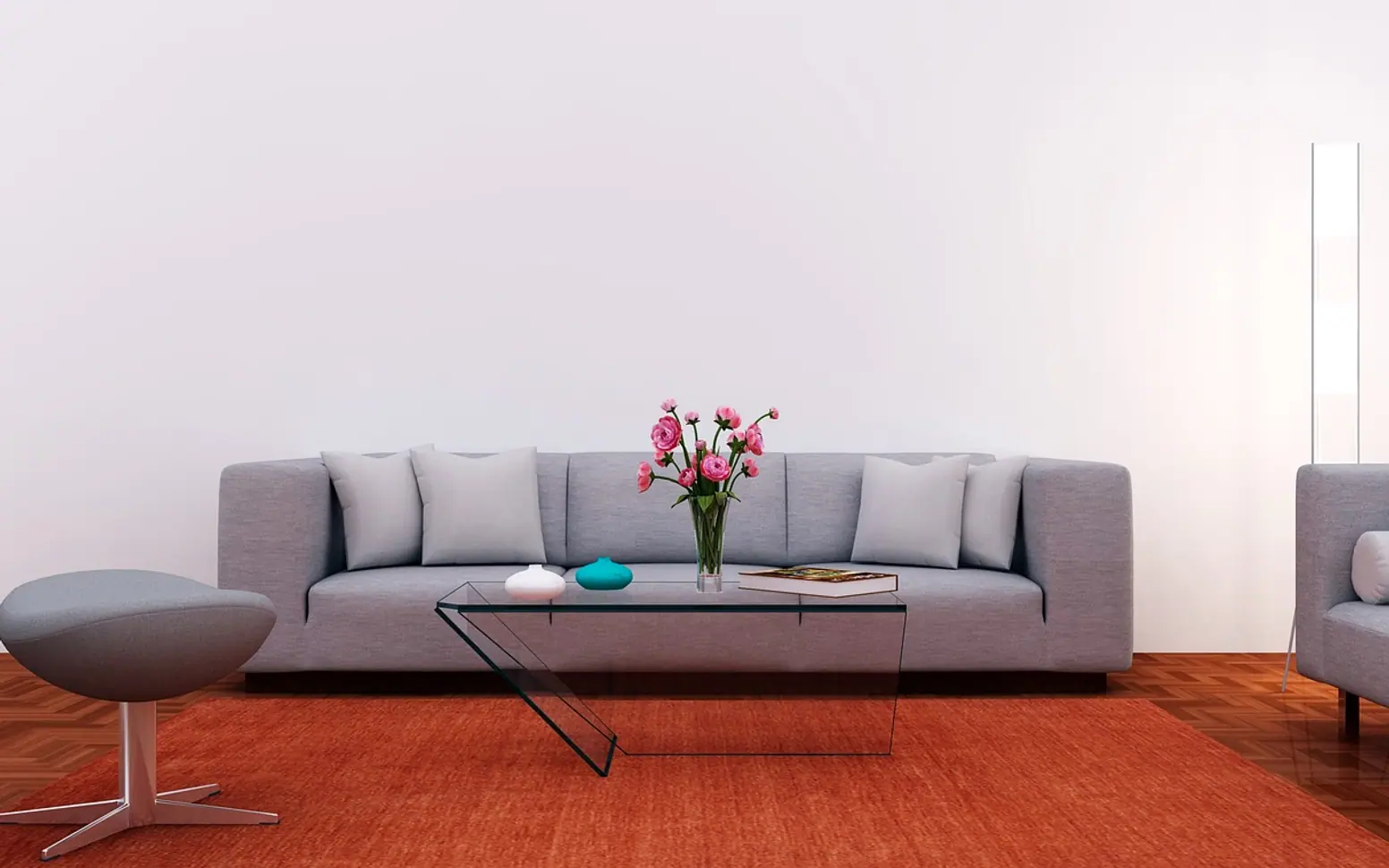
A Japandi living room
- Edit before you buy. Clear every surface first. Keep what is used daily or genuinely loved, and give everything else a closed home in cabinets, boxes or baskets.
- Keep furniture low. A low sofa, a long media unit and a simple coffee table keep sight lines open and make the ceiling feel higher.
- Layer warm light. Paper or linen shades, a floor lamp in one corner and a dimmable ceiling fitting suit the look far better than a single bright overhead. Our layered living room lighting plan explains how to combine them.
- Quieten the tech. Run cables behind furniture, choose a TV unit with doors and let the screen sit within a calm wall rather than becoming the focal point.
- One statement, not five. A large ceramic vase holding a single branch says more than a dozen small ornaments.
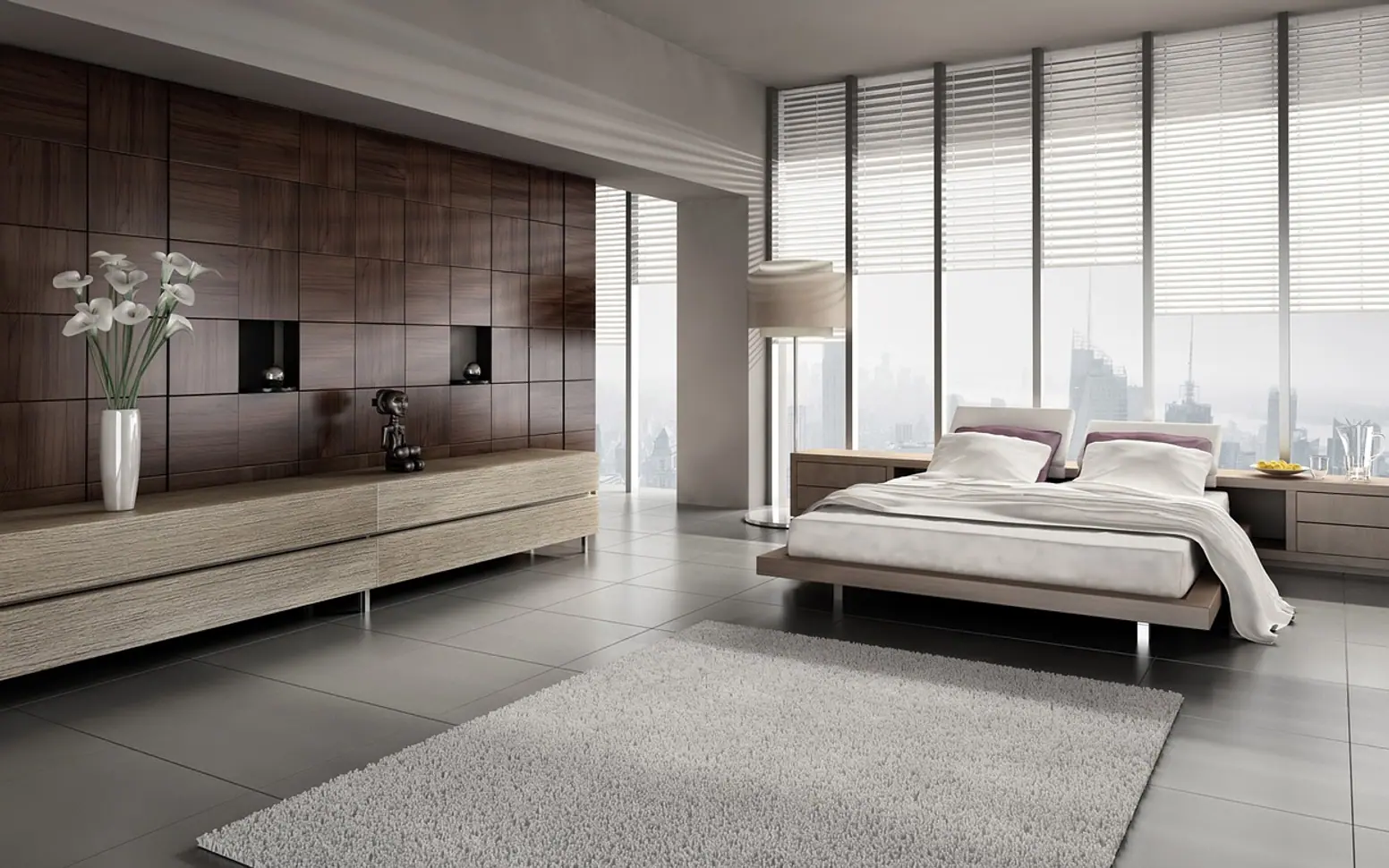
A Japandi bedroom
The bedroom is where the style feels most natural. A low platform bed in wood, linen bedding in two or three neutral tones and bedside tables holding nothing but a lamp and a book carry most of the effect. Keep wardrobes closed and handles minimal. Swap a busy headboard for a plain timber one, or go without. Bulb colour matters more here than anywhere else, because a crisp, bluish light undoes the calm instantly; it helps to understand warm white vs cool white bulbs before buying.
Kitchens and bathrooms
In a kitchen, flat-front cabinets in wood or a muted matt paint, a stone or stone-look worktop and open shelving with only everyday bowls fit the look. In a bathroom, matt tiles in sand, grey or soft green, a wooden stool and plain fittings do most of the work. If you are retiling anyway, our guide to choosing and installing bathroom tiles covers practical points such as slip resistance and grout colour.
Common mistakes
- Too much beige. Without contrast a room looks flat. Add a dark wood, black metal or a charcoal textile.
- Buying the whole look at once. Matching sets from a single shop feel staged. Pieces gathered slowly, some of them second-hand, feel lived in.
- Forgetting comfort. Japandi is not about hard benches. Cushions, throws and rugs are part of it.
- Treating plants as clutter. One or two well-chosen plants soften the lines; the problem is a crowded windowsill, not greenery itself.
Questions people ask
Is Japandi expensive?
Not necessarily. The style rewards removing things more than acquiring them, and plain wooden furniture, linen and simple ceramics are widely available second-hand.
Does Japandi work in a rental?
Yes. Rugs, lamps, bedding, curtains and freestanding furniture carry most of the look, and none of them require changes to walls or floors.
Is it just a passing trend?
The name is recent, but both traditions behind it are long established. Rooms built around natural materials, soft light and less clutter tend to age well, whatever label they carry.
Across the sections
Don’t miss these




Something to add?
We read every message.