How to Prevent Athlete's Foot: Gym, Pool and Hotel Habits
- Sent
- Reading time
- 3 min
Athlete's foot is a common fungal skin infection that thrives in warm, damp conditions, so prevention comes down to three things: keep feet clean and properly dry, wear sandals in shared wet areas, and give shoes time to air out. Those habits cover most of the risk, whether you train several times a week or simply use hotel showers while travelling.
What athlete's foot is
Known medically as tinea pedis, the infection is caused by fungi that live on skin and multiply happily in moisture and warmth. It often starts between the toes, particularly the smaller ones, with itching, peeling, cracking or skin that looks white and soggy. It can also cause dry scaling across the sole and sides of the foot. It is not a sign of poor hygiene; anyone with sweaty feet and closed shoes can pick it up. The name points to locker rooms and sport, but plenty of people who never set foot in a gym get it too.
Where it spreads
| Place | Why it carries risk | Simple habit |
|---|---|---|
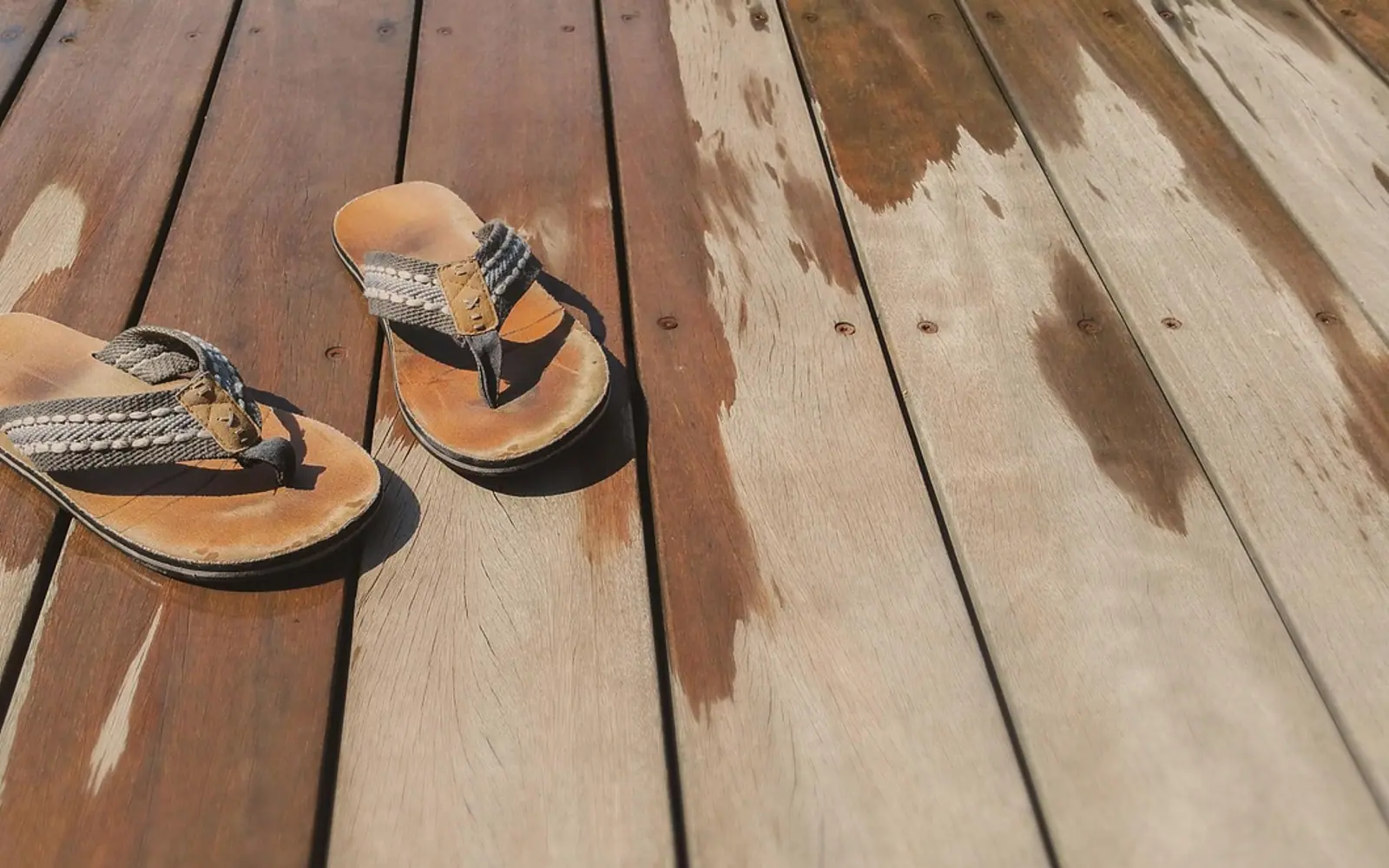
| Gym changing rooms and showers | Warm, wet floors walked on barefoot | Wear flip-flops or pool sliders |
| Swimming pools | Damp tiles and benches around the pool | Sandals until you reach the water; dry feet well afterwards |
| Hotel bathrooms | Used by a long line of guests | Pack shower sandals; stand on the bath mat, not the bare floor |
| Home, when someone has it | Shared towels and bathroom floors | Separate towels; wash bath mats often |
| Your own shoes | Sweat trapped all day | Rotate pairs and let them dry fully |
Everyday habits that help
- Dry between the toes. After washing, spend a few extra seconds with the towel between each toe. It is the step most people rush.
- Change socks daily, and sooner if they get damp from sport or hot weather. Cotton blends and moisture-wicking sports socks both help.
- Rotate your shoes. A day off lets trainers dry out completely. Pull the insoles out after a sweaty session.
- Choose breathable footwear where possible, and spend time barefoot or in open sandals at home so air reaches the skin.
- Keep your own kit. Do not share towels, socks or shoes, even within the family.
- Wash towels and bath mats regularly at the hottest setting the fabric allows.
- Keep toenails short and clean, since fungal infections can sometimes move to the nails.
Gym and sport routines
A small kit in the sports bag solves most of the problem: a pair of sliders, spare socks and a small towel used only for feet. Shower in sandals, dry your feet before pulling on clean socks, and avoid leaving damp kit zipped in a bag overnight. If you train in a hotel room instead, as with our no-equipment hotel room workout, a towel on the floor keeps bare feet off well-trodden carpet.
On the road
Travel brings warm climates, long days in the same shoes and bathrooms used by countless strangers. Pack shower sandals even for short business trips, carry an extra pair of socks for the flight and change into them on arrival, and leave shoes somewhere ventilated rather than at the bottom of a wardrobe. Our travel health tips cover the rest of a sensible pre-trip routine, and if the destination is sunny, our guide to sunscreen for your scalp looks after the top of the head.
If you think you have it
Many mild cases respond to over-the-counter antifungal creams, sprays or powders, and a pharmacist can help choose one and explain how long to keep using it, which is often for a while after the skin looks clear. Speak to a GP if:
- it has not improved after following the product's instructions;
- the skin becomes very red, hot, swollen or painful, or there is pus, which can point to a bacterial infection;
- it spreads to the nails, hands or groin;
- you have diabetes, poor circulation or a weakened immune system, in which case any foot problem deserves prompt professional attention.
Common questions
Can athlete's foot come back?
Yes. It often returns when shoes and socks stay damp or treatment stops too early. The habits above are the best defence against a repeat.
Do men get athlete's foot more often?
It is frequently described as more common in men and teenage boys, which may relate to sport, sweaty footwear and shared changing rooms. Anyone can get it, though.
Do I need to throw my shoes away?
Not usually. Letting them dry fully between wears and washing removable insoles is normally enough. If infections keep returning, ask a pharmacist about antifungal products made for footwear.
Across the sections
Don’t miss these


Something to add?
We read every message.
Also from Health Care for Men
Health Care for Men
Sunscreen for Your Scalp: Protecting Thinning Hair, Partings and Bald Spots
4 min