Tanzania Safari Guide: Combining Luxury and Conservation in East Africa’s Top Reserves
- Sent
- Reading time
- 2 min
A safari in Tanzania can mean canvas walls and a lantern, or a suite with a deck that looks straight onto a waterhole. Many travellers want the comfort, but they also want their money to help the places they came to see. The two goals fit together better than many expect, because park fees, community partnerships and well-run camps are a large part of how wild areas in the country are protected.
The big plains of the north
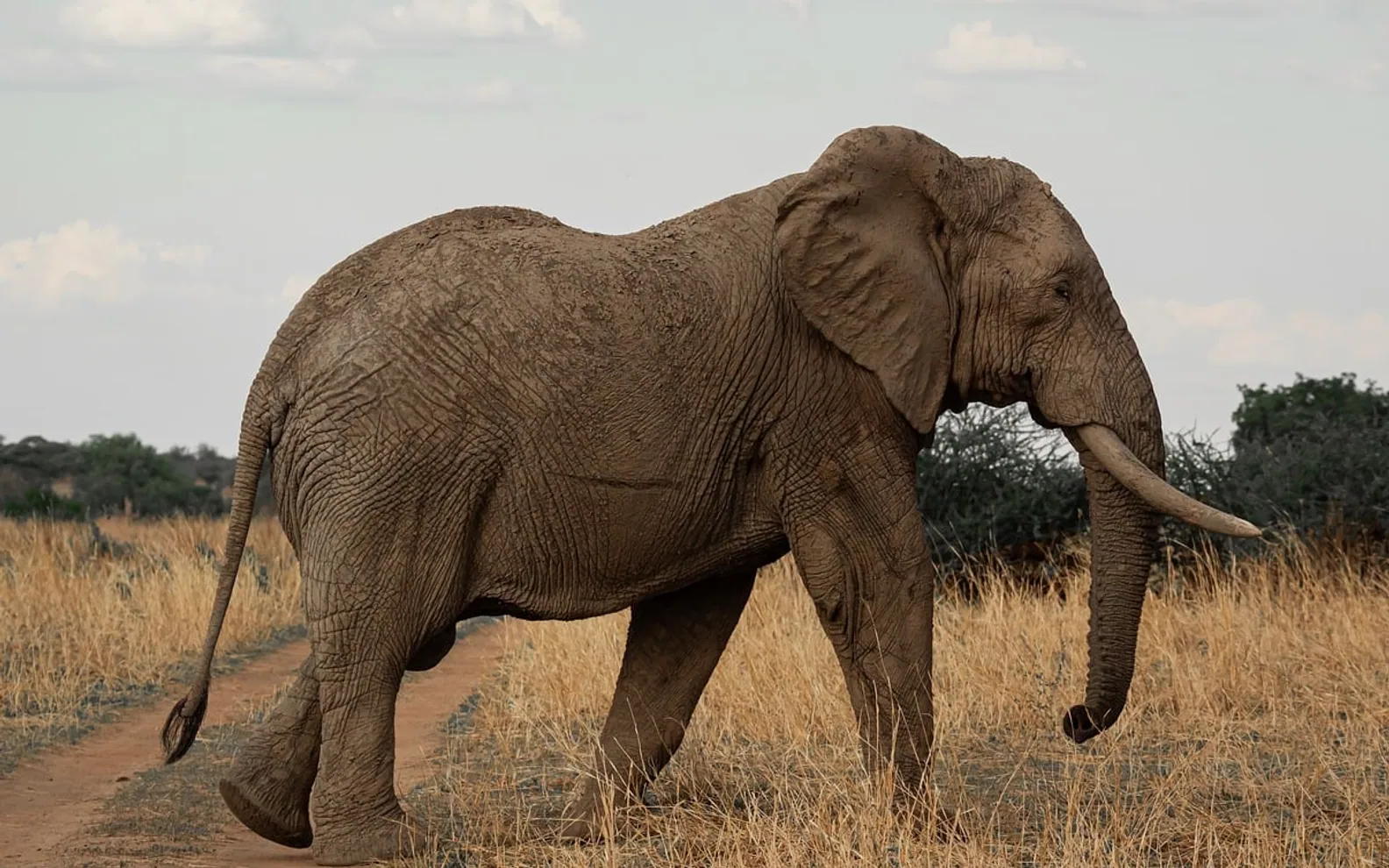
Most first trips begin in the north. Serengeti National Park is the name most people know, famous for the great herds of wildebeest and zebra that move across its grasslands with the rains, followed closely by lions, cheetahs and hyenas. Camps there range from mobile tented setups that shift with the herds to permanent lodges with pools and long dining verandas. Because the migration moves, the best area to stay depends on the time of year, and a good operator will match the camp to the season rather than the other way round.
Nearby, the Ngorongoro Crater offers something different: a sunken volcanic bowl with a remarkable concentration of animals, including a chance of black rhino. Lodges on the rim look down into the crater, and vehicle rules on the crater floor help limit pressure on the grazing land.
Quieter corners worth considering
| Area | What stands out |
|---|---|
| Tarangire | Baobab trees and elephant herds near the river in the dry months |
| Nyerere (formerly part of Selous) | Boat trips, walking safaris and a remote, uncrowded feel |
| Ruaha | Wild, rugged landscapes for travellers who want space |
The southern parks take more effort to reach, often by light aircraft, but the reward is fewer vehicles at each sighting and a stronger sense of wilderness.
How comfort can fund protection
Well-run camps often channel part of their income into anti-poaching patrols, research or community projects. Some work with Maasai neighbours on land leases that keep wildlife corridors open, so grazing land and migration routes are shared rather than fenced off. Solar power, careful water use and buildings that sit lightly on the ground are now common in better properties. Guests who choose these places are effectively paying for the habitat to stay intact.
Questions to ask before booking
- Is the camp owned or staffed by people from nearby communities?
- How does it handle water, waste and energy?
- Which conservation or community projects does it support, and how?
- Are walking or boat activities led by trained, licensed guides?
- Does it cap the number of vehicles at sightings?
Detailed replies suggest a lodge takes these commitments seriously; fuzzy ones deserve a follow-up question.
Being a good guest
Keep voices low near animals, follow the guide's instructions, never ask a driver to leave the track for a closer photo, and buy crafts directly from local makers where possible. Check entry requirements, vaccinations and travel health advice well ahead with official sources and a travel clinic. A trip planned this way delivers the comfort many people hope for and leaves the reserves in better shape for the next visitors.
Across the sections
Don’t miss these




Something to add?
We read every message.